Urban Livestock

Sustainability in farming often involves the interdependence of various species of plants and animals. Who doesn’t picture chickens when they think of a farm?  We strive to develop a diversity of farm products that help cultivate healthy production and a thriving interdependent farm ecosystem.

Small-Scale Poultry
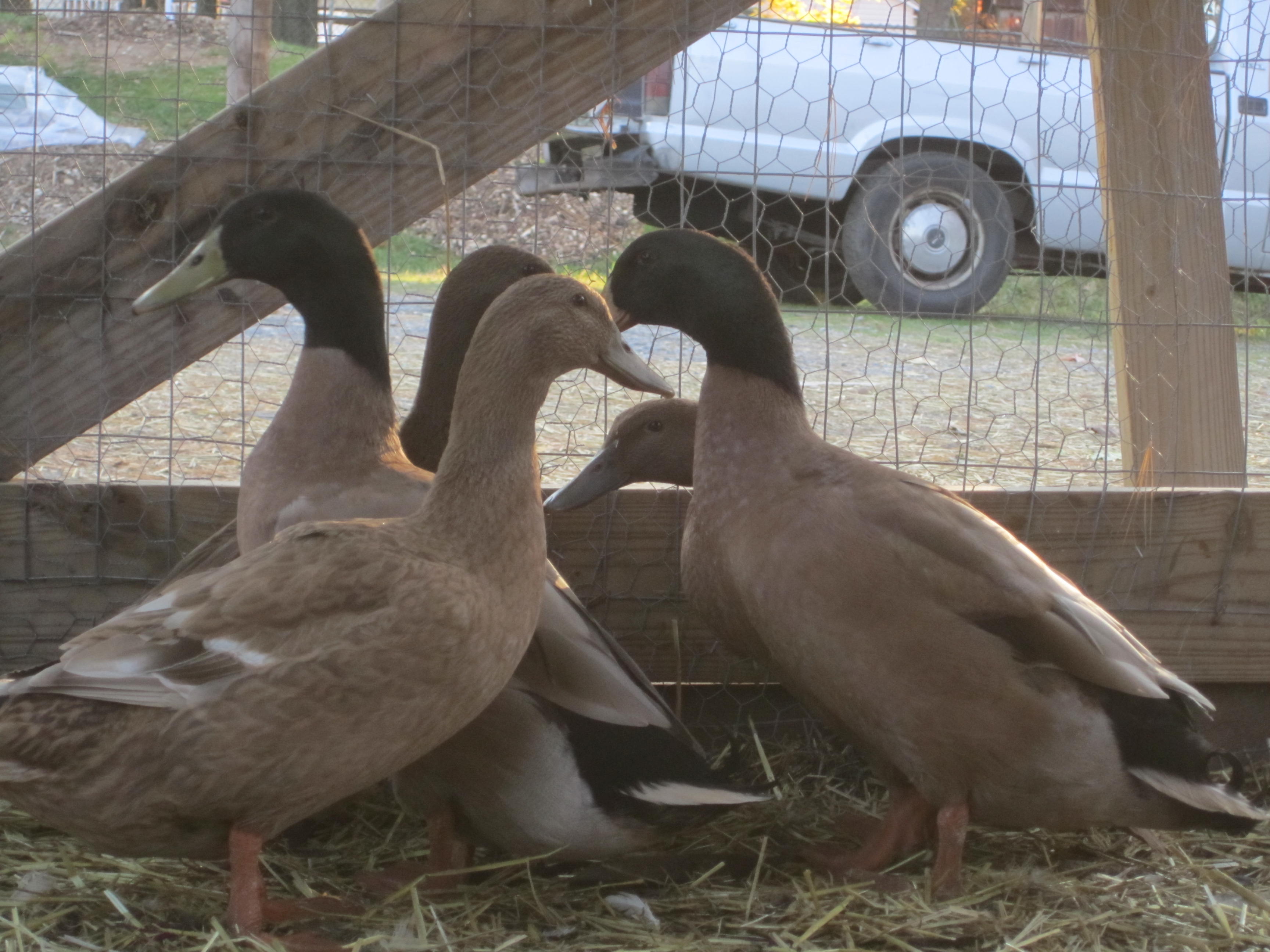
The small flock of laying hens at ECO City Farms helps us model biodiversity and the full cycle of organic matter in sustainable food systems. The chickens are fed grain and allowed to peck through the compost gathered as we clear out vegetable beds. In turn, we compost the hay and litter from their coop (which is tucked underneath our solar and wind array) to return nutrients to the soil for growing more food. We hope to grow the flock and be able to offer eggs for sale to the community in the near future.


Beekeeping & Honey

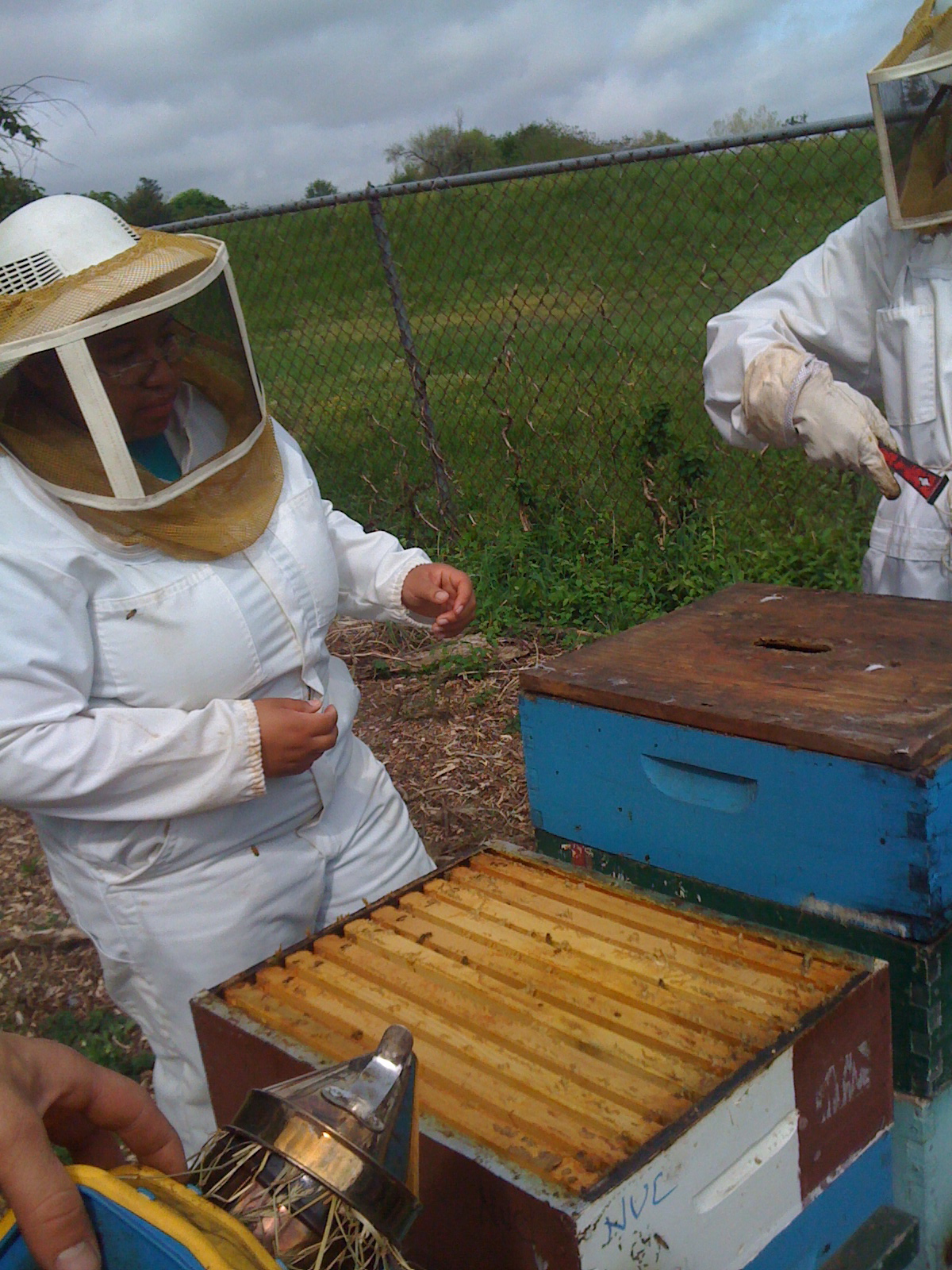
Our beehives provide the plants in on our farm and the surrounding environment with critical pollinators. This spring we harvested four gallons of raw honey from one of our hives and split the remaining hives into more hives by re-queening.  We currently have 4 hives with hopes of expanding to 12 and look forward to another harvest in the late summer.



Aquaponics

Aquaponics is the combination of aquaculture (farming fish) with hydroponics (growing plants in water).  Using this combined farming method, you only need to feed the fish in the system—the plants are actually fed by fish waste, which is converted by bacteria into nitrates, a building block that plants need to grow.  This serves a dual purpose—it allows safe recapture of what would be considered “waste” in a fish farm and creates a second food product.  It also allows recycling of water that would have been contaminated and disposed of in both aquaculture and hydroponics, by naturally pulling effluent out of the water.  In this way, aquaponics is cleaner and greener than both aquaculture and hydroponics.

Close
loading...